









Days lately, there has been no time to stop.
Across the island, projects are moving faster, conversations are sharper, and decisions around energy are becoming more urgent than ever. From new commercial openings to strategy sessions with professional firms, one theme keeps surfacing — energy is no longer just a background utility. It is becoming a central part of how businesses and households operate.
And nowhere is this shift more visible than in the solar sector.
For years, solar energy in Cyprus was a straightforward equation: install panels, generate electricity, feed surplus into the grid, and reduce your bills. It was predictable, accessible, and — for many — an obvious choice in a country blessed with abundant sunlight.
But that equation is changing.
Quietly at first, and now increasingly visibly, solar energy on the island has entered a new phase — one that is less about generation and more about management.
When More Energy Becomes a Problem
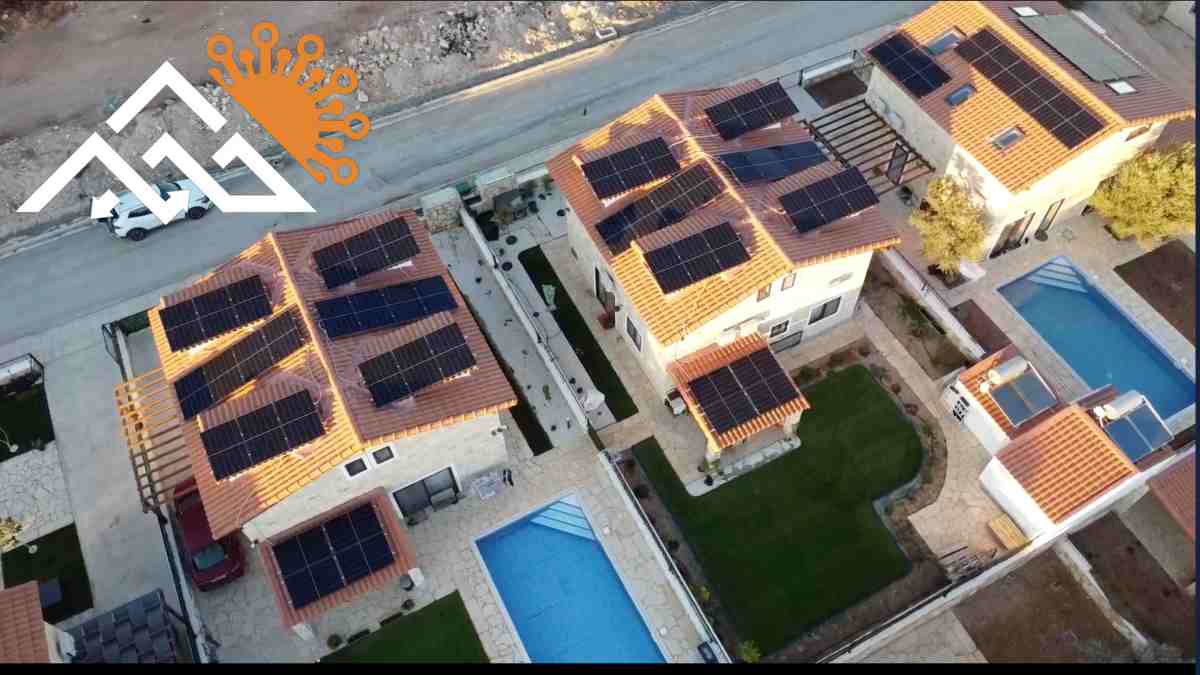
In recent months, daytime generation curtailments have become more frequent across Cyprus. For many system owners, this has come as a surprise. Panels are working, the sun is shining, and yet — part of the energy simply isn’t being used. The reason is structural. Cyprus operates as an isolated energy system. Unlike mainland European countries, it cannot export excess electricity. At the same time, large-scale storage infrastructure remains limited. The result is a bottleneck: during peak daylight hours, energy production can exceed demand.
When that happens, the system has only one option — to curtail production.
In practical terms, this means that some of the electricity generated by solar panels is effectively lost.
From Production to Control
This shift is redefining how energy systems are designed.
Increasingly, the focus is moving towards hybrid solutions — systems that not only generate electricity but also store it for later use. By integrating battery storage, households and businesses can capture excess daytime production and deploy it during the evening or in periods of reduced output. In other words, energy is no longer something you simply produce. It is something you manage.
And in an environment where grid interaction is becoming less predictable, that distinction matters.
Designing for Real Life, Not Theory
This is where the conversation becomes more nuanced.
Installing panels is no longer enough. What matters is how the system aligns with real-life consumption patterns. When do you use energy? How does your daily routine look? Where are your peaks and gaps?
These are not abstract questions. They are the difference between a system that performs on paper and one that works in practice. Companies operating in this space are beginning to reflect this shift.
Rather than offering standardised installations, some are focusing on tailored system design — building around the specific needs of each property. One example is WattBack, a Cyprus-based company that approaches solar not as a product, but as a solution.
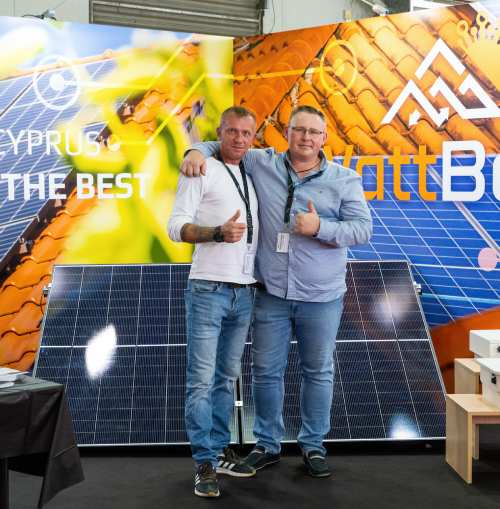
Their model is based on understanding how energy is actually used within a household or business and designing accordingly. The result is a system that adapts to real conditions, rather than relying on outdated assumptions about grid interaction.
A Different Kind of Value
For many, solar energy has traditionally been framed in terms of savings.
That narrative is still relevant — but it is no longer the full picture.
In the current environment, the value of a solar system is increasingly tied to something else:
- control over when energy is used
- stability in the face of grid limitations
- reduced dependence on external systems
In short, energy independence.
This does not necessarily mean complete disconnection from the grid. Rather, it reflects a shift in mindset — from passive consumption to active management.
Looking Ahead
Cyprus is not alone in facing these challenges, but its isolated grid makes the transition particularly visible.
What is happening now is not a setback for solar energy. On the contrary, it is a sign of maturity. The market is evolving beyond its initial phase and moving towards more sophisticated, integrated solutions. For homeowners and businesses alike, the implication is clear:
The decision is no longer simply about installing panels.
It is about choosing a system that works — not just in theory, but in reality.
No Noise — Just Building
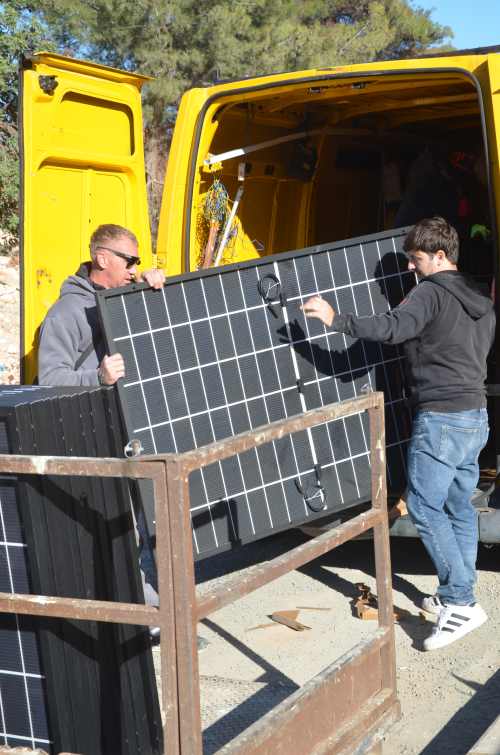
In a landscape that is changing this quickly, the most effective players are not necessarily the loudest ones. They are the ones quietly adapting, designing, and building systems that reflect the new logic of the market. Because in today’s Cyprus, energy does not need to be loud to be powerful. It just needs to work.
WattBack — we have the solution.
https://wattback.com
+357 94494549