









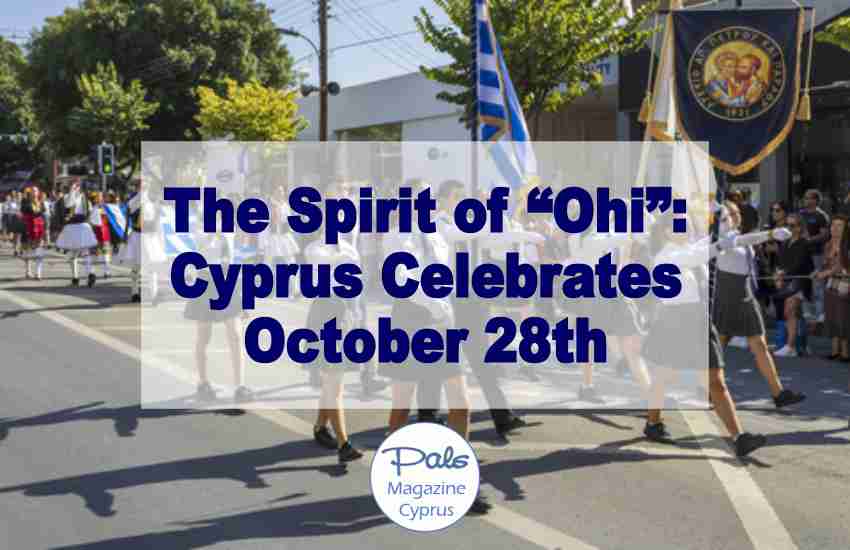
Each year on October 28th, the island of Cyprus awakens to the sound of marching bands, fluttering flags, and the proud rhythm of school parades. Streets fill with families, children in crisp uniforms, and the unmistakable feeling of shared pride. It’s Ohi Day — a public holiday that celebrates not only a defining moment in Greek history, but also the enduring spirit of resilience and unity that Cypriots hold dear.
The Power of One Word
The story behind Ohi Day goes back to 1940, in the early hours of a tense October morning. Greece was facing immense pressure during the height of World War II. The Italian ambassador arrived at the home of Greek Prime Minister Ioannis Metaxas with an ultimatum: allow Axis troops to occupy Greece or face invasion.
Metaxas’s reply was short and powerful — “Ohi!” (“No!”).
That single word changed everything. Within hours, Italian forces invaded from Albania, and Greece entered the war. Against all expectations, Greek soldiers pushed back the invasion, their courage capturing the admiration of the world. The phrase “Ohi” became a symbol of dignity, defiance, and hope — values that continue to inspire generations across the Greek world, including Cyprus.
The Cypriot Connection
Back in 1940, Cyprus was still under British rule, yet the emotional connection with Greece was profound. Greek Cypriots saw Greece’s fight as their own — a shared struggle for freedom and self-determination. Many Cypriots volunteered to fight alongside Greek and Allied troops, their actions reflecting the deep cultural and historical bonds between the two nations.
When Cyprus gained independence in 1960, it made Ohi Day an official public holiday — a moment each year to honor both Greek bravery and the Cypriot spirit that stands firmly for freedom and justice.
Celebrating Ohi Day in Modern Cyprus
Ohi Day in Cyprus is not just about looking back — it’s about living the values of courage, unity, and pride in everyday life. Across the island, from Nicosia’s bustling avenues to village squares in the mountains, the celebrations create a sense of belonging and shared memory.
- School parades fill the streets, led by students waving Greek and Cypriot flags.
- Marching bands play patriotic tunes, their music echoing through city centers.
- Church services and wreath-laying ceremonies honor those who fought and fell in defense of freedom.
- Families gather, enjoying the day off together — perhaps over a long lunch, a seaside stroll, or a visit to local festivities.
The day blends solemn remembrance with a joyful celebration of identity. There’s something deeply moving in watching young children recite poems about courage or seeing an elderly veteran tear up during the national anthem. Ohi Day connects generations — past, present, and future — through a shared heartbeat of pride.
The Meaning of “No” Today
In a world that often encourages compromise and conformity, Ohi Day feels refreshingly bold. It reminds Cypriots — and all who celebrate it — that saying “No” can sometimes be the most powerful act of all. It’s about standing for what’s right, even when the odds seem impossible.
For many, Ohi Day is more than a page in history. It’s a state of mind — a quiet reminder that courage and conviction still matter, whether in battles of nations or the challenges of everyday life.
A Day to Remember — and to Feel
As the October sun sets over the Mediterranean and the flags gently sway in the breeze, Ohi Day leaves behind a lingering sense of unity and gratitude. It’s a celebration not just of defiance, but of love — for freedom, for heritage, and for the indomitable human spirit.
So, if you find yourself in Cyprus on October 28th, pause and look around. Listen to the parades, the songs, the laughter. You’ll feel it — that quiet, proud echo of a single word that still inspires a nation: “Ohi.”