









Every year, people across the United Kingdom and many Commonwealth nations pause to remember the sacrifices made by servicemen and women in times of war. Two key days dedicated to this reflection are Remembrance Sunday and Armistice Day. Though closely linked, each has its own history and traditions.
Armistice Day: Remembering the End of World War I
Armistice Day is observed on 11 November each year, marking the anniversary of the armistice that ended fighting in World War I in 1918. At the eleventh hour of the eleventh day of the eleventh month, a ceasefire came into effect, bringing relief to millions who had endured four years of devastating conflict.
Traditionally, Armistice Day is marked by a two-minute silence at 11 a.m.. Wreaths of poppies, inspired by the famous poem “In Flanders Fields”, are laid at war memorials to honor those who lost their lives. This day serves as a reminder of the cost of war and the importance of peace.
Remembrance Sunday: A Day for National Reflection
Remembrance Sunday takes place on the second Sunday in November. While Armistice Day focuses on the end of World War I, Remembrance Sunday is a broader occasion, honoring all military personnel who have died in conflicts, past and present.
Ceremonies are held across the country, with major events at the Cenotaph in London. The Royal Family, government officials, and veterans participate in laying wreaths, observing silences, and attending services. Local communities also hold their own ceremonies, creating a nationwide atmosphere of reflection and respect.
The Symbol of the Poppy
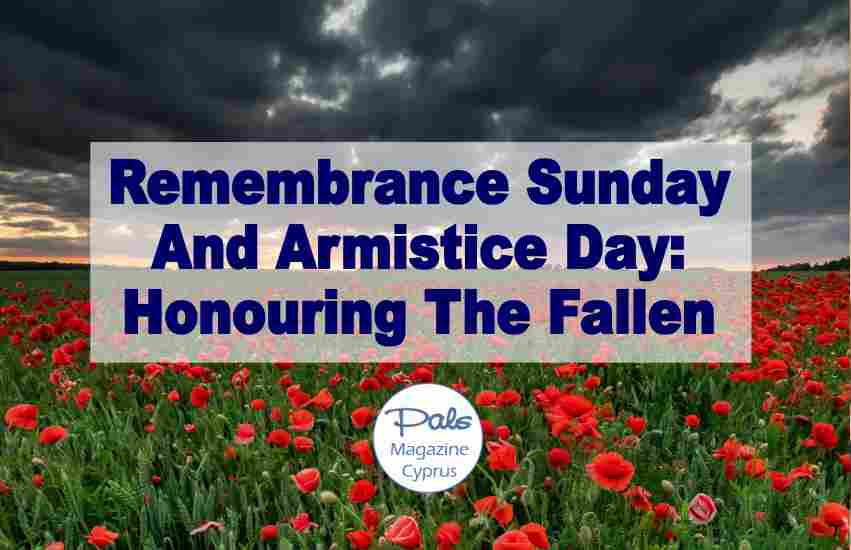
The red poppy became a symbol of remembrance after the publication of the poem “In Flanders Fields” by Lieutenant Colonel John McCrae, written during World War I. The bright red flowers, which grew across the battlefields of Flanders, came to represent the bloodshed and the resilience of those who fought. The poppy has become the enduring symbol of remembrance. Its bright red color represents both the blood shed in wars and the hope for a peaceful future. Poppies are worn in the weeks leading up to Armistice Day and Remembrance Sunday, and funds raised through poppy sales support veterans and their families.
Why These Days Matter Today
Remembrance Sunday and Armistice Day are more than ceremonies; they are opportunities to educate younger generations about history, honor those who served, and reflect on the ongoing impact of conflict. They remind us that freedom and peace often come at great cost, and that remembrance is a shared responsibility.
In a world where the horrors of war can sometimes feel distant, these days encourage us to pause, remember, and ensure that the sacrifices of the past are never forgotten.