

When most people think about the wildlife of Cyprus, they might picture sea turtles, flamingos, or the island’s famous landscapes. But hidden among stone walls, gardens, rocky hillsides, and dry fields are some of the island’s most fascinating residents: lizards.
They are easy to overlook. A quick movement across a sun-warmed rock, a tiny shadow disappearing behind a plant, and they are gone. Yet these small reptiles play an important role in the island’s natural environment.
Masters of Survival Under the Cypriot Sun
Cyprus has a warm Mediterranean climate, with long dry summers and plenty of sunshine. For many animals, this environment can be challenging. Lizards, however, are built for it.
They use the sun to regulate their body temperature, often appearing in the morning to warm themselves before becoming active. Their ability to survive with limited water and adapt to rocky landscapes makes them perfectly suited to island life.
A lizard’s day is usually a balance between hunting, hiding, and avoiding danger. While they enjoy basking in open areas, they are always alert for predators such as birds and snakes.
The Island’s Tiny Insect Hunters
Lizards are not just interesting to watch — they are useful. Many species feed on insects, including flies, beetles, and other small creatures. In gardens and rural areas, they act as natural pest controllers.
A healthy lizard population can be a sign that an ecosystem is functioning well. They connect different parts of nature: they eat insects, and they become food for larger animals.
Lizards Around Homes and Villages
One of the reasons people often notice lizards in Cyprus is because they live close to humans. Old stone walls, gardens, abandoned buildings, and rocky corners provide perfect hiding places.
Some people see them as unwanted visitors, but these little reptiles are usually harmless. They are not looking for trouble — they are searching for food, shelter, and a safe place to live.
A garden with lizards is often a more natural garden.
More Than Just “A Lizard”
It is easy to group all lizards together, but they are surprisingly diverse. Different species have different behaviors, colors, and preferred habitats. Some are quick runners that disappear instantly when approached, while others rely on camouflage and staying completely still.
The Cyprus spiny mouse and other wildlife are often discussed when talking about island biodiversity, but reptiles deserve attention too. Lizards are part of the larger story of how life adapts on an island.
There are around 11 recognised lizard species recorded in Cyprus, including geckos, skinks, agamas, chameleons, and true lizards.
1. Cyprus Rock Agama
Laudakia cypriaca
Greek/Cypriot name: Κουρκουτάς
Size: 25–35 cm
Where to find it: Rocks, stone walls, dry hills, villages
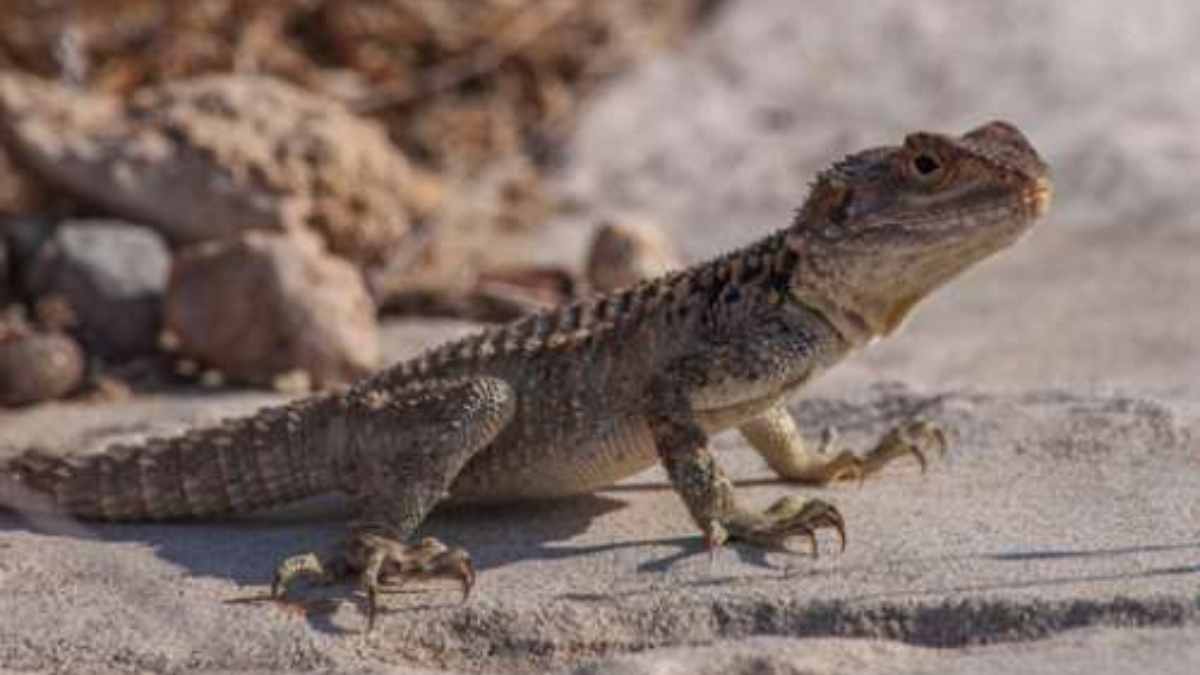
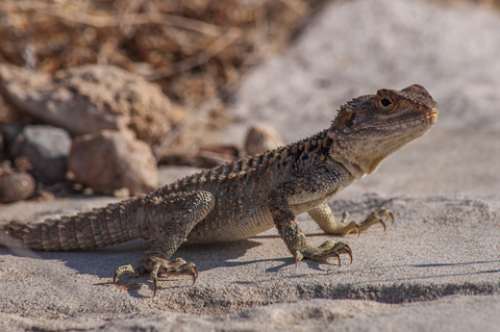
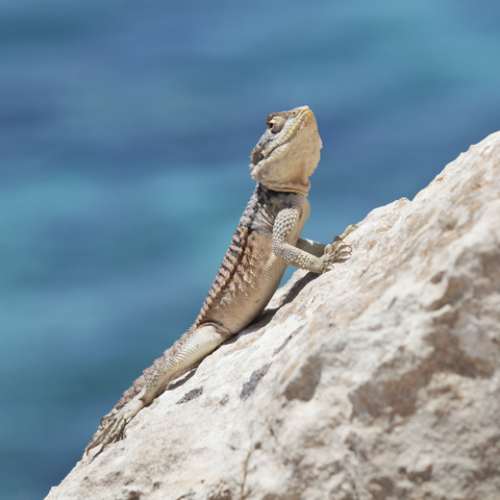
The Cyprus rock agama is one of the island’s most iconic lizards. It is a large, powerful-looking reptile with rough scales and a long tail. It spends much of the day sitting on rocks absorbing heat.
It is an excellent climber and often lives near human buildings because stone walls provide perfect hiding places.
Identification:
- Large heavy body
- Spiky scales
- Grey, brown, or dark colours
- Often seen sitting motionless on rocks
It is endemic to Cyprus, meaning it naturally occurs only on the island. (Wikipedia)
2. Mediterranean Chameleon
Chamaeleo chamaeleon
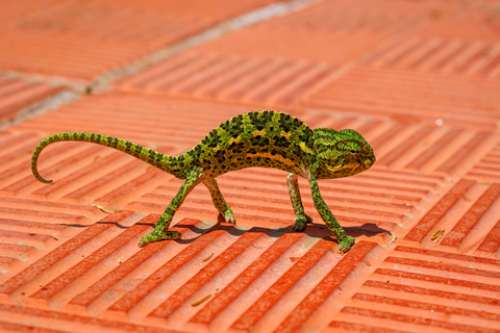
Size: 20–40 cm
Where to find it: Trees, shrubs, gardens, coastal vegetation
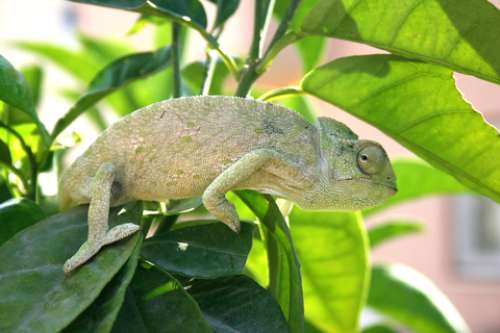
The chameleon is one of Cyprus’ most famous reptiles. Unlike fast-running lizards, it moves slowly and relies on camouflage.
Its eyes can move independently, allowing it to watch two directions at once. It catches insects using a long, sticky tongue.
Identification:
- Slow movements
- Curved tail
- Bulging eyes
- Colour changes depending on mood and environment
3. Troodos Lizard
Phoenicolacerta troodica
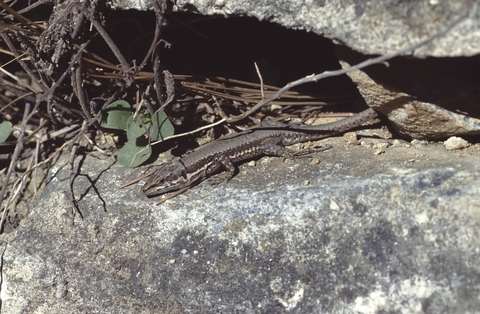
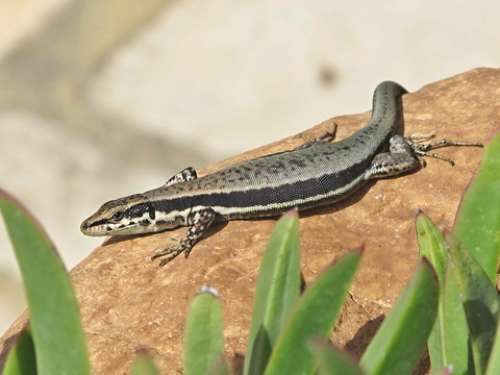
Size: 20–30 cm
Where to find it: Troodos Mountains, forests, rocky areas
This mountain species is closely associated with the higher areas of Cyprus. It is often seen basking on rocks and walls in cooler mountain habitats.
Identification:
- Slim body
- Long tail
- Brown/green colouring
- Quick movements
The Troodos lizard is also a Cyprus endemic species. (Wikipedia)
4. Schreiber’s Fringe-Fingered Lizard
Acanthodactylus schreiberi
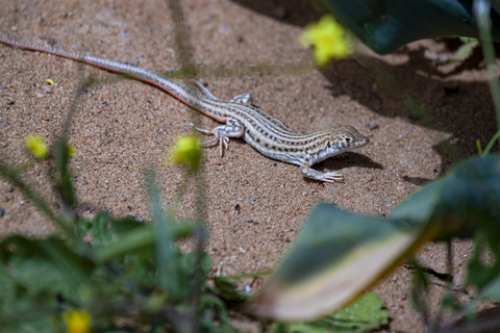
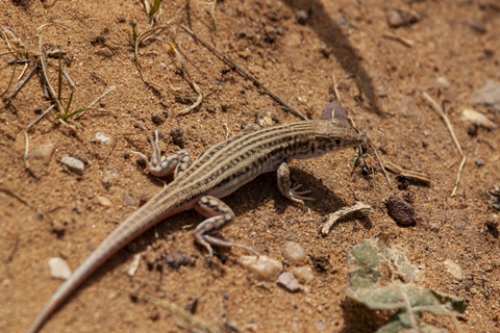
Size: 20–30 cm
Where to find it: Sandy areas, coastal dunes, dry plains
A fast desert-like runner, this lizard gets its name from the special scales along its toes that help it move over loose sand.
Identification:
- Long legs
- Patterned back
- Very fast runner
- Likes open sunny ground
5. Snake-Eyed Lizard
Ophisops elegans
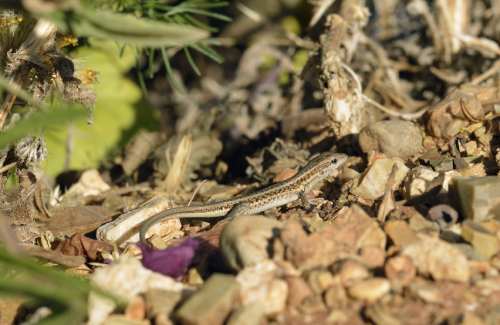
Size: 15–20 cm
Where to find it: Grasslands, fields, dry areas
This small lizard gets its name because its eyelids are not like typical lizards, giving it a more snake-like appearance.
Identification:
- Thin body
- Large eyes
- Smooth scales
- Extremely quick escape movements
6. Budak’s Snake-Eyed Skink
Ablepharus budaki
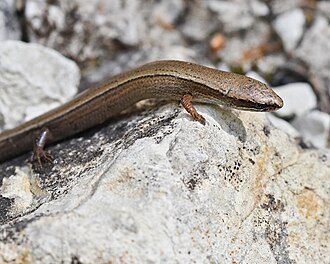
Size: 10–15 cm
Where to find it: Leaf litter, gardens, under stones
A small shiny skink that spends much of its time hidden.
Identification:
- Smooth shiny body
- Tiny legs
- Bronze/brown colouring
- Often found under rocks
7. Ocellated Skink
Chalcides ocellatus
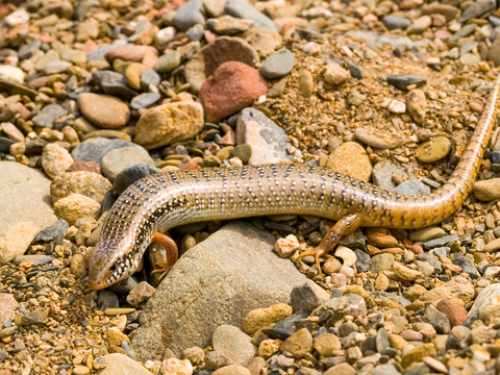
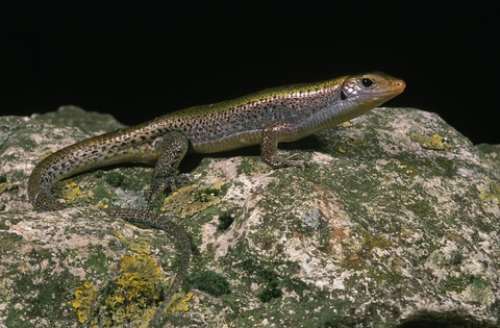
Size: 20–30 cm
Where to find it: Gardens, fields, sandy areas
This skink has a smooth body and small limbs. It looks almost like a shiny miniature snake with legs.
Identification:
- Smooth scales
- Short legs
- Spotted markings
- Slow-moving compared with many lizards
8. Schneider’s Skink
Eumeces schneiderii
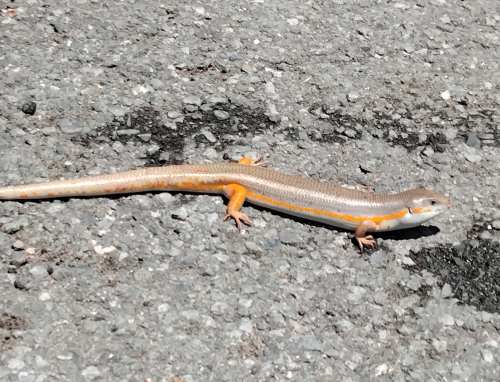
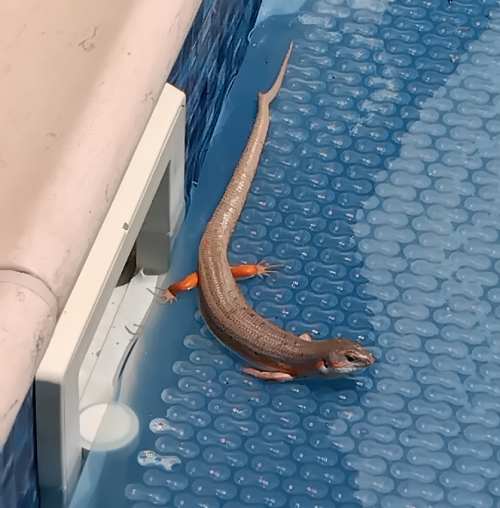
Size: 30–45 cm
Where to find it: Dry open habitats
One of the larger skinks found in the region.
Identification:
- Thick body
- Short legs
- Orange/yellow tones often visible
- Smooth scales
9. Bridled Skink
Heremites vittatus
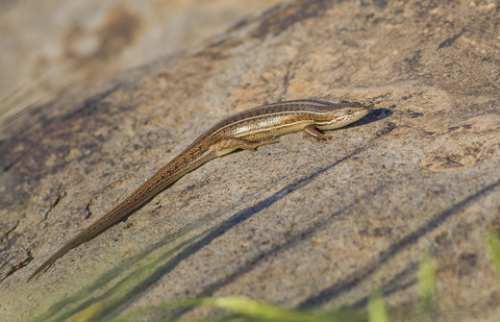
(previously often listed as Trachylepis vittata)
Size: 20–30 cm
Where to find it: Dry vegetation, rocky areas
A striped skink with a smooth appearance.
Identification:
- Dark stripes along body
- Shiny scales
- Strong swimmer-like body shape
10. Kotschy’s Gecko
Mediodactylus kotschyi
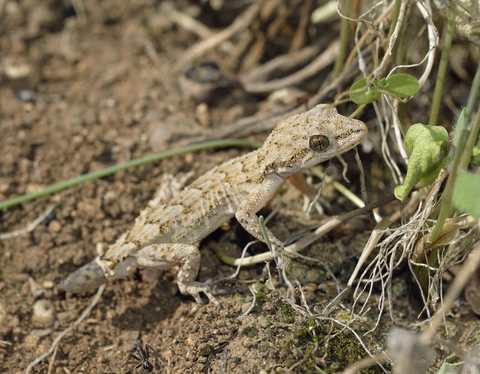
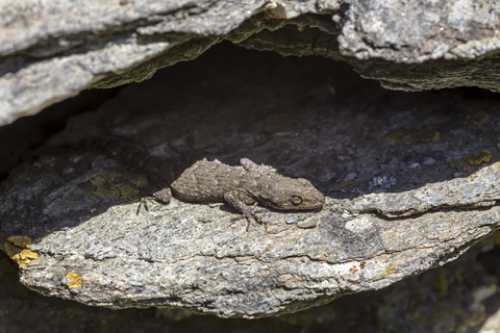
Size: 8–12 cm
Where to find it: Rocks, buildings, walls
A tiny gecko often overlooked because it is nocturnal.
Identification:
- Small size
- Large eyes
- Active at night
- Climbs walls
11. Mediterranean House Gecko
Hemidactylus turcicus
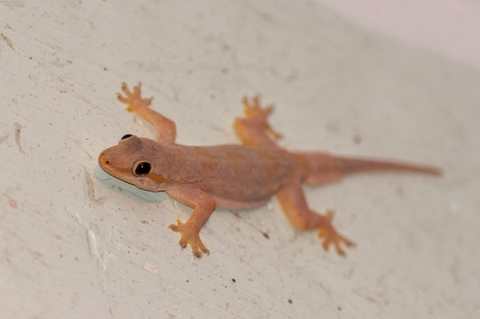
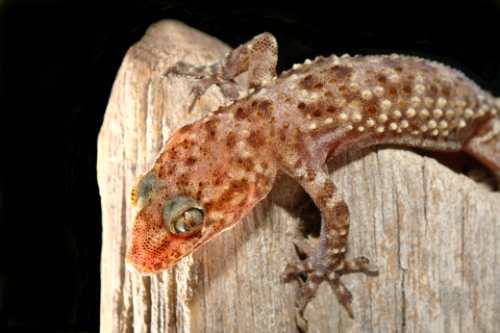
Size: 10–15 cm
Where to find it: Houses, walls, gardens
The gecko most people notice around homes.
It hunts insects near lights at night and is completely harmless.
Identification:
- Pale pink/grey body
- Large eyes
- Sticky toe pads
- Nocturnal behaviour
Quick Identification Table
| Species | Easy clue |
|---|---|
| Cyprus Rock Agama | Big spiky rock lizard |
| Chameleon | Slow, colour-changing climber |
| Troodos Lizard | Mountain wall lizard |
| Schreiber’s Lizard | Fast sandy runner |
| Snake-Eyed Lizard | Tiny fast field lizard |
| Budak’s Skink | Shiny hidden skink |
| Ocellated Skink | Snake-like smooth body |
| Schneider’s Skink | Large thick skink |
| Bridled Skink | Striped skink |
| Kotschy’s Gecko | Tiny night gecko |
| House Gecko | Wall-climbing home visitor |
Cyprus’ lizards are a major part of the island’s ecosystems: they control insect populations, provide food for predators, and show how wildlife can adapt to a hot Mediterranean environment.
Protecting Cyprus’ Smallest Wildlife
Modern development, habitat loss, and changes to natural landscapes can affect many species, including reptiles. Protecting rocky areas, avoiding unnecessary pesticide use, and respecting natural habitats can help maintain the balance of local ecosystems.
Sometimes protecting wildlife does not mean saving only the rare or dramatic animals. It also means appreciating the small creatures that quietly keep nature working.
A Final Thought
The next time a lizard runs across a wall or rests on a stone under the Cypriot sun, take a moment to notice it. It may be small, but it represents thousands of years of adaptation and survival.
These tiny reptiles are not just part of the scenery of Cyprus — they are part of its story.