
Epiphany is a Christian feast day celebrated on January 6th each year. It is one of the most significant events in the Christian liturgical calendar, marking the revelation of Jesus Christ to the world. The word “Epiphany” comes from the Greek word “ἐπιφάνεια” (epipháneia), meaning “manifestation” or “appearance.”

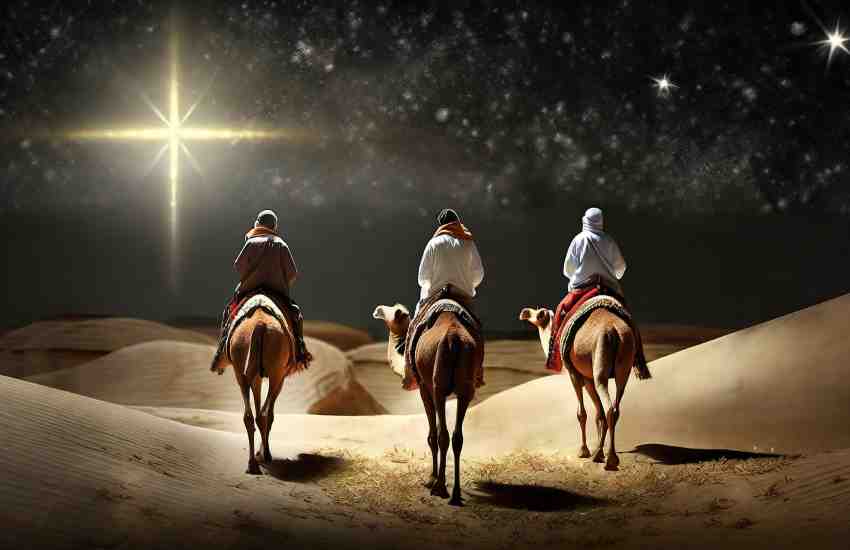
The meaning and traditions of Epiphany vary across Christian denominations and cultures, but the feast generally commemorates one or more of the following events:
1. The Visit of the Magi (Wise Men)
In Western Christianity (e.g., Roman Catholic and Protestant traditions), Epiphany primarily celebrates the visit of the Magi—commonly known as the Three Wise Men or Kings—to the infant Jesus in Bethlehem. The Magi followed the Star of Bethlehem to bring gifts of gold, frankincense, and myrrh, symbolizing Jesus’ kingship, divinity, and eventual suffering.
2. The Baptism of Jesus
In Eastern Christianity (e.g., Eastern Orthodox and some Eastern Catholic churches), Epiphany commemorates the baptism of Jesus in the River Jordan by John the Baptist. This event is seen as the moment when Jesus was revealed as the Son of God, as described in the Gospels, with God the Father’s voice declaring Him as His beloved Son and the Holy Spirit descending like a dove.
3. The First Miracle at the Wedding in Cana
In some traditions, Epiphany also recalls Jesus’ first public miracle—turning water into wine at the wedding in Cana—signifying the beginning of His divine mission.
Symbolism and Themes
Epiphany carries profound theological and symbolic meanings:
- Revelation: The feast signifies the manifestation of Jesus Christ to the Gentiles (non-Jews) through the Magi and to the world as God incarnate.
- Light: Epiphany is associated with the theme of light, symbolizing Christ as the “Light of the World.”
- Water: In traditions that emphasize Jesus’ baptism, water symbolizes purification, renewal, and the presence of the Holy Spirit.
Customs and Traditions
Epiphany is celebrated with various customs around the world:
- Blessing of the Waters: In Orthodox and Eastern Catholic traditions, priests bless bodies of water to commemorate Jesus’ baptism.
- House Blessings: Many Christians bless their homes with holy water or chalk inscriptions (e.g., “20+C+M+B+25” for the year and initials of the Magi: Caspar, Melchior, and Balthasar).
- Gifts and Feasting: In countries like Spain and Italy, Epiphany is associated with gift-giving, and special pastries or cakes are shared.
- Cross-Diving Ceremonies: In Greece, Cyprus, and other Orthodox countries, young men dive into the water to retrieve a cross thrown by a priest, symbolizing blessings and renewal.
Epiphany in Modern Context
Beyond its religious significance, Epiphany has cultural importance in many parts of the world. It marks the conclusion of the Christmas season in many traditions and is celebrated with joy, community gatherings, and acts of faith.